
In my last essay I explored the origins of the conflict between Achilles and Agamemnon. Hopefully I made a compelling case that the conflict was more than just the confiscation of a prize of war, but at the root of the situation were two competing visions about what it meant to be “great”. Agamemnon’s troops escorting Briseis away from Achilles appears to settle the matter. Wielding power over others wins out over individual excellence. I imagine this victory is depressingly familiar 3000 years later. One might even describe the feeling as infuriating, or enraging.
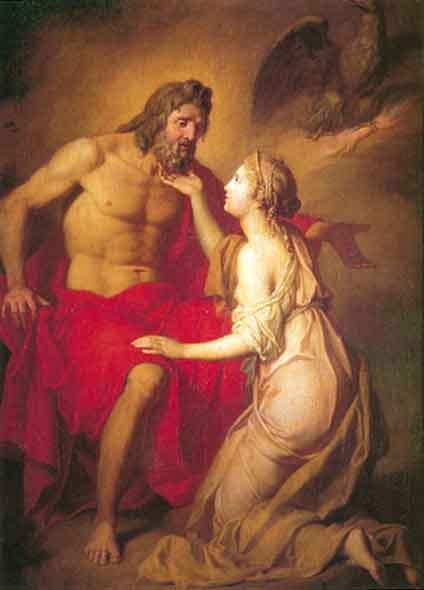
After Briseis is taken from him, Achilles exacts a promise from his mother, the sea nymph Thetis, to make Agamemnon and the entire Greek army regret this decision. In turn, she visits Olympus and cajoles Zeus into granting Achilles’ request. It appears Zeus owes her a solid from the way back times, she mentions an incident for which I could not find a precedent in extant sources, but to which Homer refers only glancingly, so it may have been well known among his audience but has since vanished from collective human memory. Thanks for nothing Hesiod and Apollodorus.
Books 2-8 describe tense and tender moments inside the walls of Troy, copious infighting among the Olympians, and a temporary truce in which the armies gather, and Menelaus faces off with Paris in single combat to determine the outcome of the conflict. This grudge match ultimately devolves into chaos when Aphrodite intervenes to save Paris’ life and Athena, itching to light things up, persuades Trojan partisan Pandoros to take advantage of the confusion and pick off a few Greeks with his archery skills. After a day of intense fighting the armies again agree to a daylong truce to recover the bodies of the fallen, during which the Greeks also construct a massive ditch and rampart around their camp. Why these events: single combat of the primary parties of the conflict, and construction of defensive fortifications finally occur after nearly 10 years of siege doesn’t make a whole lot of sense, but that’s the way Homer tells it.
In accordance with Achilles’ wish, Zeus inspires Hector and the Trojans in their efforts and at the end of book 8 many heroes on both sides are dead, most of the command structure of the Greek army has been wounded, and the Trojans are camped just outside the hastily constructed moat and wall, good thing they got it up the day before, and the sibling deities Fear and Panic are whispering in the ears of the once proud and confident Agamemnon. Similar to his refusal to yield to the demands of Chryses, his willful defiance of Achilles has led to disaster for the entire army. What will the “Best of the Achaeans” do?
Agamemnon’s first impulse is to head home. He’s tried this stunt before. In an effort to stoke his troops for battle in Book 2 he asked them if they wanted to leave and they all shouted they wanted to stay and fight, but this time he seems to mean it.
Agamemnon is very fickle and impulsive throughout the story, on the one hand lording his authority over the greatest weapon of mass destruction the Mediterranean basin had known to date, and on the other seeking to cut and run at each reversal of fortune. We are not meant to admire him.
It was a dispirited assembly. Agamemnon stood up, weeping, his face like a sheer cliff with dark springwater washing down the stone. Groaning heavily he addressed the troops:
“Friends, Argive commanders and counselors : Great Zeus, son of Cronus, is a hard god, friends. He’s kept me in the dark after all his promises, all his nods my way that I’d raze Ilion’s walls before sailing home. It was all a lie, and I see now that his orders are for me to return to Argos in disgrace, and this after all the armies I’ve destroyed. I have no doubt that this is the high will of the god who has toppled so many cities and will in the future, all glory to his power. So this is my command for the entire army: Clear out with our ships and head for home. There’s no hope we will take Troy’s tall town.”
Diomedes calls him out and says that he still has faith in Zeus and they will prevail. Nestor, the oldest of Greek captains, who was allegedly an Argonaut which means he would have been personally acquainted with Hercules, has a few suggestions. Take a breather. Post some sentries. Get everyone fed. Maybe crack open some of those casks of wine, and slaughter some animals from that massive herd of livestock you’ve accumulated over the years, and with the aid of your trusted captains, and once everyone is feeling a bit less hangry, give this situation a good think. Nestor, with his years of experience, offers up the Winnie The Pooh solution. Ageless wisdom indeed.

A moment here to address The Iliad as a guide to public life. In Books 2-8 there are a lot of examples and conversations that, in addition to advancing the plot, appear to serve as models for proper conduct, or cautionary tales. There’s a description of successful diplomacy in arranging the temporary truce and single combat. A description of how massive armies maintain their composure and honor sacred vows to resist the urge to strike when they gather at close range, as well as the devastating consequences when those commitments are broken. There is a clear depiction of circumspection, honor, and bravery exemplified by Hector in his interactions with his mother, wife, and son. These events are juxtaposed with the inane frivolity of his brother Paris. There is the famous exchange of armor between Diomedes and Glaucus maintaining the familial ties of Xenia founded by their grandfathers. There is the day of truce to gather and honorably bury the dead. Even in the exchange between Nestor and Agamemnon we see the wise elder calming the situation and putting Agamemnon in the best position vis-a-vis the rank and file after three instances of public confrontation with high risk for humiliation: Chryses, Achilles, and Diomedes, have led to him making devastatingly bad decisions.
After everyone gets a bite to eat and the anger everyone was suffering after a long day of combat and loss subsides, Nestor drops a bit more sage advice: Make amends with Achilles. Oddly enough, with a full stomach and with a few days hindsight, Agamemnon admits the error of his ways. He proposes not only to return Briseis, untouched, to Achilles, but a host of other promises. Tripods, more war prizes, a larger share of the plunder of Troy, and his own daughter’s hand in marriage with a dowry to include governorship over 7 territories of Agamemnon’s own kingdom if only he’ll come back and fight. That, and because he’s Agamemnon and can’t help himself, he demands that Achilles publicly recognize that he is the “greatest of the Achaeans”. How do you think this is gonna turn out? Recall we’re only in Book 9 of 24. Achilles’ godfather Phoenix, and the original odd couple buddy comedy duo of Ajax and Odysseus are dispatched to pitch the idea to Achilles.
When they arrive at his tent Achilles is playing the lyre and singing songs of heroes of old. I bet Homer couldn’t resist this image. The bard singing epic poetry has decided that the emo version of Achilles has taken up the role of a bard singing epic poetry. Homeric inception. Achilles is a model host. He offers wine, and immediately has a meal prepared for his guests without anyone needing to prompt him; unlike some other leaders who would claim to be “The Greatest of the Achaeans” we know [cough cough] Agamemnon [cough cough]. Once everyone is comfortable Achilles asks them how the war is going. I’m sure he had an unbearably self-satisfied look on his face while asking this in a nonchalant off-handed way.
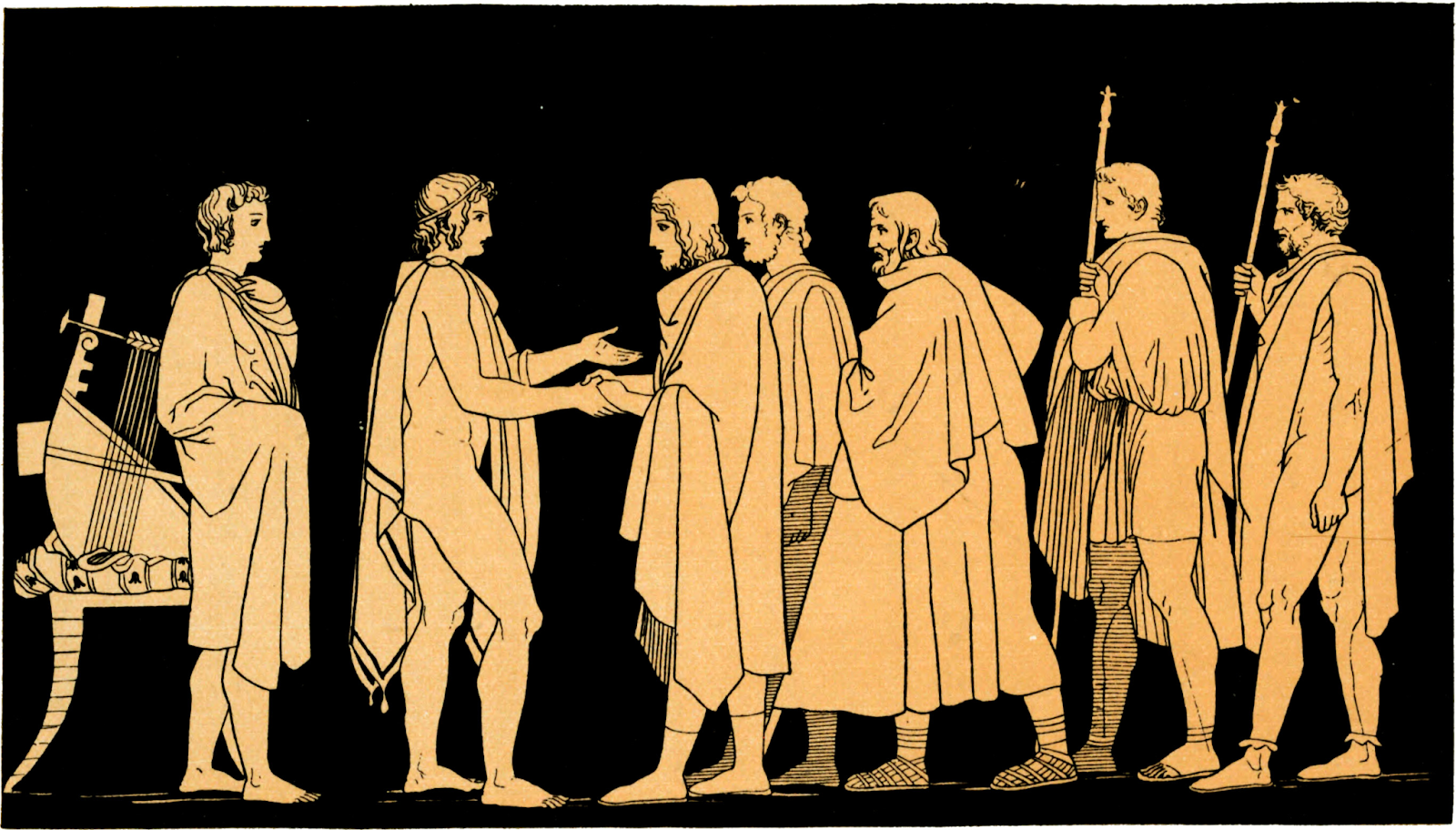
Odysseus delivers Agamemnon’s offer verbatim except he leaves off the demand that Achilles honor Agamemnon. Achilles refuses. Phoenix reminds Achilles of their bond and tries to convince him that if he delays his return he may lose his chance to cash in on this generous offer. Ajax suggests that the prior honors the army has given him and the generous recompense offered by Agamemnon should motivate his return. While there is some subtlety and variation in their arguments they all primarily appeal to magnifying his glory and honor. Riches, esteem, power. In this sense they all appeal to our friends time and kleos. How does Achilles respond?
I’ll refrain from quoting the entire thing, but I’ll let Achilles speak for himself:
Will Agamemnon win me over? Not for all the world, nor will all the rest of Achaea’s armies. No, what lasting thanks in the long run for warring with our enemies, on and on, no end? One and the same lot for the man who hangs back and the man who battles hard. The same honor waits for the coward and the brave. They both go down to Death, the fighter who shirks, the one who works to exhaustion. And what’so laid up for me, what pittance? Nothing—and after suffering hardships, year in, year out, staking my life on the mortal risks of war….
Why must we battle Trojans, men of Argos? Why did he muster an army, lead us here, that son of Atreus? Why, why in the world if not for Helen with her loose and lustrous hair? Are they the only men alive who love their wives, those sons of Atreus? Never! Any decent man, a man with sense, loves his own, cares for his own as deeply as I, I loved that woman with all my heart, though I won her like a trophy with my spear . . .
But now that he’s torn my honor from my hands, robbed me, lied to me—don’t let him try me now. I know him too well—he’ll never win me over! He cheated me, did me damage, wrong! But never again, he’ll never rob me blind with his twisting words again! Once is enough for him. Die and be damned for all I care! I say no wealth is worth my life! Not all they claim was stored in the depths of Troy, that city built on riches, in the old days of peace before the sons of Achaea came— Cattle and fat sheep can all be had for the raiding, tripods all for the trading, and tawny-headed stallions.
But a man’s life breath cannot come back again—no raiders in force, no trading brings it back, once it slips through a man’s clenched teeth. Mother tells me, the immortal goddess Thetis with her glistening feet, that two fates bear me on to the day of death. If I hold out here and I lay siege to Troy, my journey home is gone, but my glory never dies. If I voyage back to the fatherland I love, my pride, my glory dies . . . true, but the life that’s left me will be long, the stroke of death will not come on me quickly.
To me this these arguments against returning to war are strikingly reasonable. His brothers in arms are shocked, “He stopped. A stunned silence seized them all, struck dumb— Achilles’ ringing denials overwhelmed them so.”
He has not only rejected the offer, but he has rejected the primary ethos upon which the expedition is founded. The reason he’s in this situation in the first place. How did this happen? How did he go from leading the army to sack, by his count, 23 cities, and challenging the great king Agamemnon for primacy among the Greeks, to rejecting the very premise of the war and the pursuit of honor and glory?
Perhaps Achilles is a spoiled brat with an uncontrollable temper and since he can’t have it his way, he’s gonna take his ball and go home? Could be. Some of the rebuttals offered by Odysseus and Phoenix suggest this thought is present in the tent.
Achilles mentions that he is aware of his two possible fates. If he stays at Troy he will die, but his glory will last forever, but he can return home and live a long uneventful life. Perhaps he’s scared and decided to get out while he still can?
Perhaps Homer has left much unsaid? Achilles has sacked 23 cities. Who knows how much violence and death he has dealt in that time? Perhaps having his “prize of honor” taken from him aroused his conscience and has made him re-examine his part in the ongoing misery of war? Homer gives us no reason to believe that, but a crisis of conscience would be a welcome development amidst so much violence and death.
However, I think the fact that he rejects not only the offer from Agamemnon, but is not persuaded by appeals to family and fraternity suggest there may be more to his rejection than meets the eye. Any Bronze Age warrior who boarded a ship bound for Troy had a sense that he had a higher than average chance of death coming his way. Achilles knew he was going to meet his death. He knew his fate, and unlike many gifted/cursed with advance knowledge of their own death, Achilles ran toward it at a headlong sprint. Perhaps that’s why he was willing to lead from the front? He knew there was no escaping death at Troy, but he knew that his death and glory would grant him the immortality, kleos aphthiton, so prized by his culture, so there was no reason to hold back. Like Shawn White standing atop the half pipe knowing he’d already won the gold medal in 2010 but still having one run at his disposal. Perhaps this is why he was so ambitious and felt comfortable challenging Agamemnon during the plague. He had nothing to lose. So why the sudden change? What altered his perspective? Has he been swimming with spider monkeys while tripping on acid in St Bart’s?
The term “moral injury” gained some cultural currency in 2020-2022. Healthcare worker attrition spiked and many who stayed suffered higher than usual rates of “burnout” during the COVID-19 pandemic. The burden of work certainly played a role, but many became disaffected with the work when patients presented with an inherent distrust of caregivers and the therapies they offered. Others were disillusioned when patients refused to abide by policies designed to mitigate the spread of disease and protect vulnerable populations. Still others were devastated when forced to turn away patients with urgent needs because hospitals were full of those who had refused the intervention offering the best protection against severe disease and hospitalization. This all occurred within the context of longstanding systemic conflicts between commitment to patient care, caregiver personal needs, economic realities of staffing and other resource management, and mandates generated by government, payors, and healthcare systems. Healthcare workers suffered a sense of betrayal of values that had previously been assumed to be shared. The idea that caregivers were incuring personal risk in order to help the sick and vulnerable, but that the systems ostensibly designed to support that work, and even those they served, refused to support their efforts, questioned their dedication, and even accused them of intentionally violating their oaths to use knowledge, judgment and skill for a patient’s benefit, all struck at core values and personal and professional identities of caregivers. When life and death are on the line, when people are suffering physical and emotional pain, tensions and tempers can flare. Accusations and combative behavior of frustrated, or frightened patients and their families are not uncommon in the world of healthcare, but are generally exceptions rather than the rule and reflective of patient specific circumstances. To put one’s life in the hands of another requires trust, and often that trust must be earned; this is not an unreasonable requirement when both parties enter the relationship in good faith. However, when one is asked to overcome attitudes broadcast by political and media organizations profiting from divisive content that target a caregiver’s ability and intent and you have people shouting at you, making unfounded accusations, then it seems plausible that chronic frustration could transition to genuine moral injury. Any one of these factors distresses individuals and systems, but betrayals constitute more than just an affront to sense of mission or personal honor, they are corrosive to identity, trust, and the bonds and unspoken agreements that hold society together. As a healthcare worker who knew life before, during, and after COVID, this narrative checks out. There is plenty of room for debate about the mythos and cultural expectations around medicine, the business and politics of healthcare in America, and how those cultural assumptions and beliefs contribute to the specific phenomenon of burnout and moral injury, but I think the legitimacy of those conversations bolsters the argument I’m trying to make. The beliefs and cultural assumptions that influence personal decisions and behavior are powerful and create the potential for moral injury when those beliefs and assumptions are violated. Let’s get back to Achilles shall we?

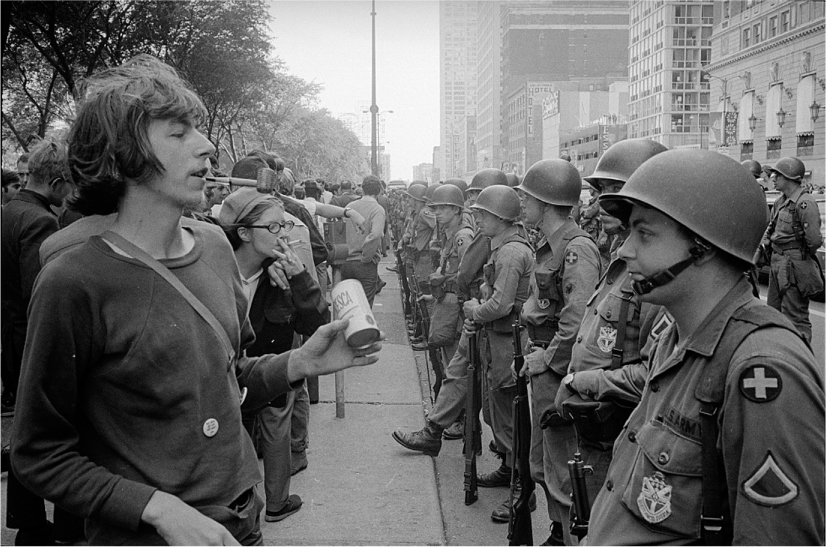
About my third time through Book 9 I began to see Achilles’ behavior as a possible manifestation of moral injury. I am definitely not the first to recognize this. Once the thought occurred to me I performed a quick Google search and it turns out Psychiatrist Jonathan Shay identified Achilles as a model for moral injury after years of working with veterans of the Vietnam War in the VA system. 30 years ago he distilled his thoughts and observations in a book entitled Achilles in Vietnam. Dr Shay described moral injury as an entity distinct from PTSD in his patients and cited a specific event in The Iliad that we’ll eventually get to as the main source of Achilles’ turmoil, but I think there’s reason to suspect it is present in this exchange as well.
In Book 1 Achilles and Agamemnon were contending for the honor of being “The Best of The Achaeans” and Achilles lost. Not only did he not become commander of the armies, but his prize of honor was taken from him. Agamemnon’s own words make clear he knew exactly what he was doing when he did this. He was subverting convention and seeking to humiliate his target.
I will take a prize myself—your own, or Ajax’ or Odysseus’ prize—I’ll commandeer her myself and let that man I go to visit choke with rage!
Later he says:
I will be there in person at your tents to take Briseis in all her beauty, your own prize—so you can learn just how much greater I am than you and the next man up may shrink from matching words with me, from hoping to rival Agamemnon strength for strength!
Side Note: Agamemnon doesn’t actually show up in person when Briseis is taken from Achilles.
It’s easy to see this as a form of single combat Agamemnon vs Achilles, that’s certainly one visual Homer has constructed. The thing is there was an army of 100,000 men seeing this play out. Men who had boarded ships, crossed the sea, and risked their lives for nearly a decade on the cultural assumptions and agreements about how timé and kleos worked, and Agamemnon had intentionally undermined the system. How is it that those battle hardened men allowed this to happen? Homer’s world was hierarchical and assumed the legitimacy of monarchy, but it doesn’t feel right to assume a sheepish deference of 100,000 men at arms when cultural convention is blatantly defied. Maybe the influence of hierarchy was THAT powerful? Perhaps timé and kleos fall below hierarchy in the value stack and nobody felt conflicted about what Agamemnon did? Perhaps those men actually sided with Agamemnon? Homer offers evidence to the contrary. When Nestor proposes his plan to make amends with Achilles he says:
No one will offer a better plan than this the plan I still retain, and I’ve been forming, well, for a good long while now, from the very day that you, my illustrious King, infuriated Achilles—you went and took from his tents the girl Briseis, and not with any applause from us, far from it: I for one, I urged you against it, strenuously. But you, you gave way to your overbearing anger, disgraced a great man the gods themselves esteem—you seized his gift of honor and keep her still.
Nestor registered his objection to Agamemnon’s behavior, which suggests Achilles wasn’t the only one who registered and objected to the abuse of power, so he wasn’t totally alone, yet we have no evidence that many others stood up to fight back alongside him. Everything we know about Agamemnon suggests that he is ruthless, but we also know he sways under adversity and resistance. Recall we opened book 9 with his suggestion that the Greeks abandon the entire campaign. There’s reason to believe that had the army began shouting out against him at that moment, he might have backed down. Even if he hadn’t, Achilles would have known of their support.
Agamemnon’s response acknowledges this, “That’s no lie, old man—a full account you give of all my acts of madness. Mad, blind I was! Not even I would deny it.”
To recap, the army suffered catastrophic plague when Agamemnon defied Apollo, then they stood by when he refused to make any real sacrifice for the good of the whole, and they did nothing to support Achilles, the one who actually lead the assaults that made them all rich, the one who stood up to address the plague, then that army supported the guy who brought the plague while he insulted the guy who had their collective back. If I had been raised with a specific world view, and had adopted it so fully that I had boarded a ship knowing that I was going to my death, and been an exemplary warrior for nearly a decade on the frontlines with my brothers in arms, and then they sold me out like that, I suspect I’d be pretty salty too. I might even be angry enough to stand by and allow them all to suffer and just walk away. Walk away from the war, the pursuit of renown and glory, the idea of fraternity, everything. Sail home and enjoy a long quiet life while everyone else pursues the deadly, delusional aims they claim to share. Perhaps that betrays my egoism, but the idea that upon further reflection Achilles isn’t just angry at Agamemnon, and is comfortable with the suffering the entire army endures in his absence because he’s angry at all of them for their lack of support, doesn’t seem far fetched to me. I think it plausible that moral injury rooted in betrayal of his sense of shared values is why Achilles can sit at the table with his godfather and close friends and tell them that he is leaving them all behind.
Ah but now, since I have no desire to battle glorious Hector, tomorrow at daybreak, once I have sacrificed to Zeus and all the gods and loaded up my holds and launched out on the breakers—watch, my friend, if you’ll take the time and care to see me off, and you will see my squadrons sail at dawn, fanning out on the Hellespont that swarms with fish, my crews manning the oarlocks, rowing out with a will, and if the famed god of the earthquake grants us safe passage, the third day out we raise the dark rich soil of Phthia. There lies my wealth, hoards of it, all I left behind when I sailed to Troy on this, this insane voyage— and still more hoards from here: gold, ruddy bronze, women sashed and lovely, and gleaming gray iron, and I will haul it home, all I won as plunder. All but my prize of honor . . . he who gave that prize has snatched it back again— what outrage! That high and mighty King Agamemnon, that son of Atreus! Go back and tell him all, all I say—out in the open too—so other Achaeans can wheel on him in anger if he still hopes— who knows?—to deceive some other comrade…
I swell with rage when I think of how the son of Atreus treated me like dirt In public, as if I were some worthless tramp. Now go, and take back this message: I won’t lift a finger in this bloody war until Priam’s illustrious son Hector comes to the Myrmidons’ ships and huts killing Greeks as he goes and torching the fleet. But when he comes to my hut and my black ship I think Hector will stop, for all his battle lust.”
In an earlier essay I discussed the nature of mortality rendering decisions meaningful because the opportunity cost associated with pursuing an aim is a form of human sacrifice to something one genuinely believes. That is exactly what Achilles has done. Like heroes in other mythologies, Achilles voluntarily placed his own life on the altar, in return he was promised immortality through glorious combat, he was willing to sacrifice himself for the things he believed in, and his sacrifice was disparaged by his companions. You and I may consider his values and the demands of his gods to be insane (what sort of god demands the sacrifice of a favored son?) but he was clearly genuinely committed to them, and was understandably infuriated when he learned that when the chips were down his companions abandoned their champion and shared vision for how things ought to be and honored power over excellence. Achilles is hurt, his perceptions of the world and how it “should be”, and his role in it have been upended. He is unmoored, frustrated, alienated, and he is physically and emotionally withdrawing from society. I think this matches up with the working description of moral injury.

We live in a nation with rapidly escalating rates of depression, anxiety, and loneliness. I do not think these increasingly recognized conditions are attributable to an availability heuristic, relaxed diagnostic criteria, or a morally inferior or deficient population. Despite our technological capacity to connect, many feel isolated, alienated, and frustrated. It seems very probable that some of the desperate acts and violence we witness are rooted in these growing problems. I will not claim much insight on mental health. I’m a physician, but that’s not my area of expertise. But I am a human, and I think and feel, and I meet at least 5 new people every day of my life, and I’ve been around long enough to recognize pain and fear when I see it. I believe the saying goes: hurt people, hurt people.

Complex problems frequently defy simple explanations or solutions, and I do not think consulting any 3,000 year-old text will suddenly illuminate every problem we face in this respect, but I think it would be unwise to dismiss patterns of human experience and behavior that cross geographic, cultural, and temporal boundaries. Achilles puts on a brave face, and presents cogent arguments, but his passion, attitudes, and actions tell a different story. He is deeply hurt, and there is reason to believe his injury is not self-inflicted, and does not represent weakness of character, but derives from a sense of betrayal of his sincerely held beliefs he adopted from his own culture. Is it possible that this sense of betrayal and injury occur more frequently than previously suspected?
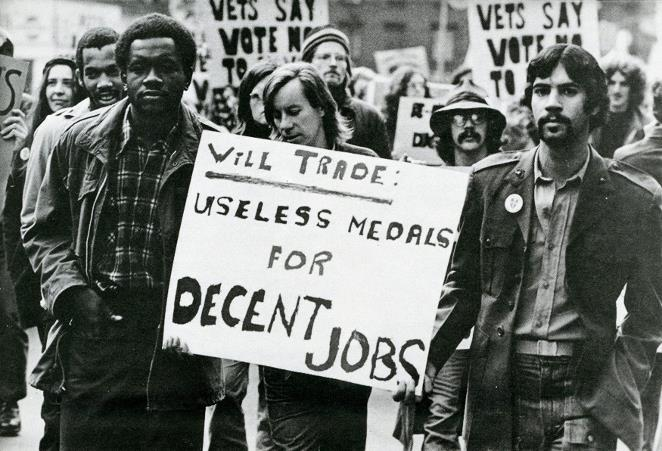
Many folks, especially self-styled conservatives, decry a “culture of victimhood” as a pervasive moral failing. I find it noteworthy that the grievance politics of Donald Trump, claims about censorship and “cancel culture”, “reverse discrimination”, and perceived attacks on religious freedom somehow do not count as claims of victimhood and identity politics. Now I’m at risk of venturing into full-on rant mode.

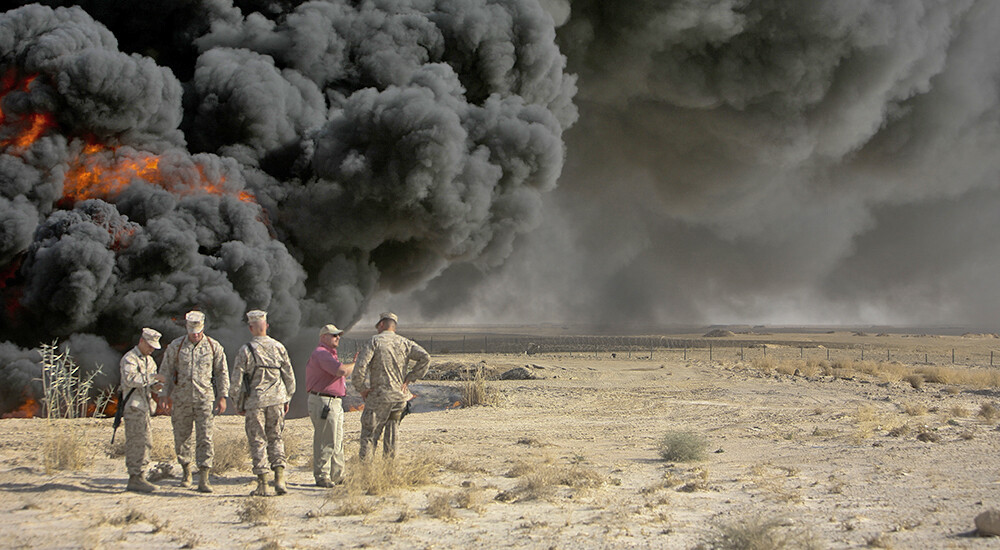
Allow me to re-focus. The point is that people across the political, and socioeconomic spectrum display evidence of betrayal and moral injury. This isn’t shocking. We are a nation that claims to support the troops, yet after sending generations of brave young people overseas to make war we deprived them of body armor, exposed their lungs and bodies to fumes from endlessly burning garbage and jet fuel, and underfunded their need for physical and mental support upon their return from combat.
A nation that claimed at its founding that “all men are created equal”, but allowed humans to be treated as property and counted enslaved individuals as 60% of a person for population purposes. A nation that eventually adopted universal suffrage, yet consistently allows factions to target specific populations’ exercise of the franchise. A nation whose prime directive is individual liberty and freedom of expression, yet has consistently suppressed and visited violence upon marginalized groups. I’m sure a person so inclined could manufacture a much longer and comprehensive list of contradictions and moral failings of the citizens and government of the United States of America, but that is not my intent.
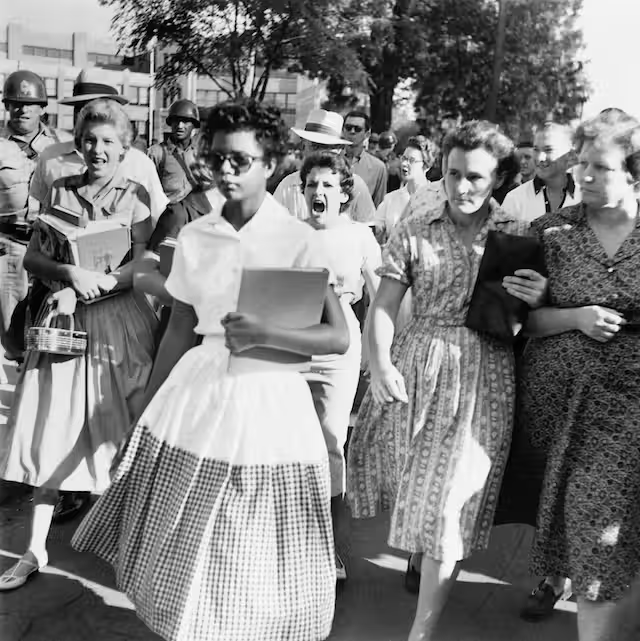
The point I’m attempting to make is that it is not shocking to me that many people could feel isolated and betrayed. Humans have failed throughout our history to live up to the best of our ideals. As Homer illustrates, failings of social virtue are not confined to a specific time or place. It seems reasonable that our consciousness of them may be heightened by our ability to easily and broadly share information. The fact that we have commoditized human attention, combined with a well honed threat detection apparatus within the human mind almost certainly incentivize and exacerbate the creation and propagation of these narratives. We have made great strides toward the promises of our founding documents, but our historic and contemporary failures haunt us. We may not have individually committed the betrayals that create pervasive moral injuries, but like the army of the Achaeans, we must face the fallout together. That reality sucks. There’s no other way to say it. The good news is that we get to face the fallout together.

In my opinion many of the best aspects of human life and history grow from our ability to cooperate. Our species thrives in community. Throughout our history humans have consistently developed ways of reigning in the most dangerous aspects of our behavior in the interest of group cohesion and stability and their attendant elevations in prosperity and happiness. I won’t let this devolve into a discussion about natural selection and the possible mechanisms and advantages of stable groups, but suffice it to say I don’t think we get to the point of having nearly 8 billion of us spanning the entire globe by heading off alone into the wilderness like tigers. Beyond the business of survival, we express ourselves beautifully as members of a cohesive group. See: sport, food, music, visual art, dance, and writing for countless examples. A shared vision of who we are, where we’re going, and how we get there is powerful and can be beautiful.

If Achilles’ rage was exacerbated by systemic betrayal and moral injury, and our society also labors under a similar burden, might Homer’s story about how Achilles ultimately soothes his rage have something to say not just to warriors and other frontline populations, but to broad swaths of humanity? The culture Homer describes in The Iliad may be foreign and distasteful to us, but his characters are initially united under a shared vision and ethos. He develops a powerful and compelling depiction of the anger, frustration, distrust, alienation, and the corrosive effects of the violation of these values. I suspect many living in the modern world can identify with the fallout from these types of violations. Does he offer any insights into how to mend the rifts once made? I believe he does, but fair warning, we’re only half-way through and it’s gonna get worse before it gets better.

 MaximumKungFu
Leave a Reply